
.png)
What Drives Gold Prices? Understanding the Key Economic Factors
What Drives Gold Prices? Understanding the Key Economic Factors
Gold prices are one of the most closely watched indicators in global financial markets. They move continuously throughout the day and are influenced by a wide range of economic factors.
Many investors who follow daily gold prices often wonder: Why does gold fluctuate so frequently? What are the key drivers behind these movements?
This article provides a clear and simplified explanation of the major economic factors that influence gold prices, helping you better analyze trends and make informed investment decisions.
What Is the Gold Price?
The gold price refers to the global trading value of gold, typically benchmarked against the Gold Spot price. This is the real-time price quoted in U.S. dollars per ounce (USD/oz).
Gold prices are determined by the forces of supply and demand among investors worldwide, which is why they fluctuate constantly throughout the trading day.
Key Economic Factors That Influence Gold Prices
Gold prices do not move randomly. They are driven by several important global economic factors that shape investor behavior.
1. Interest Rates
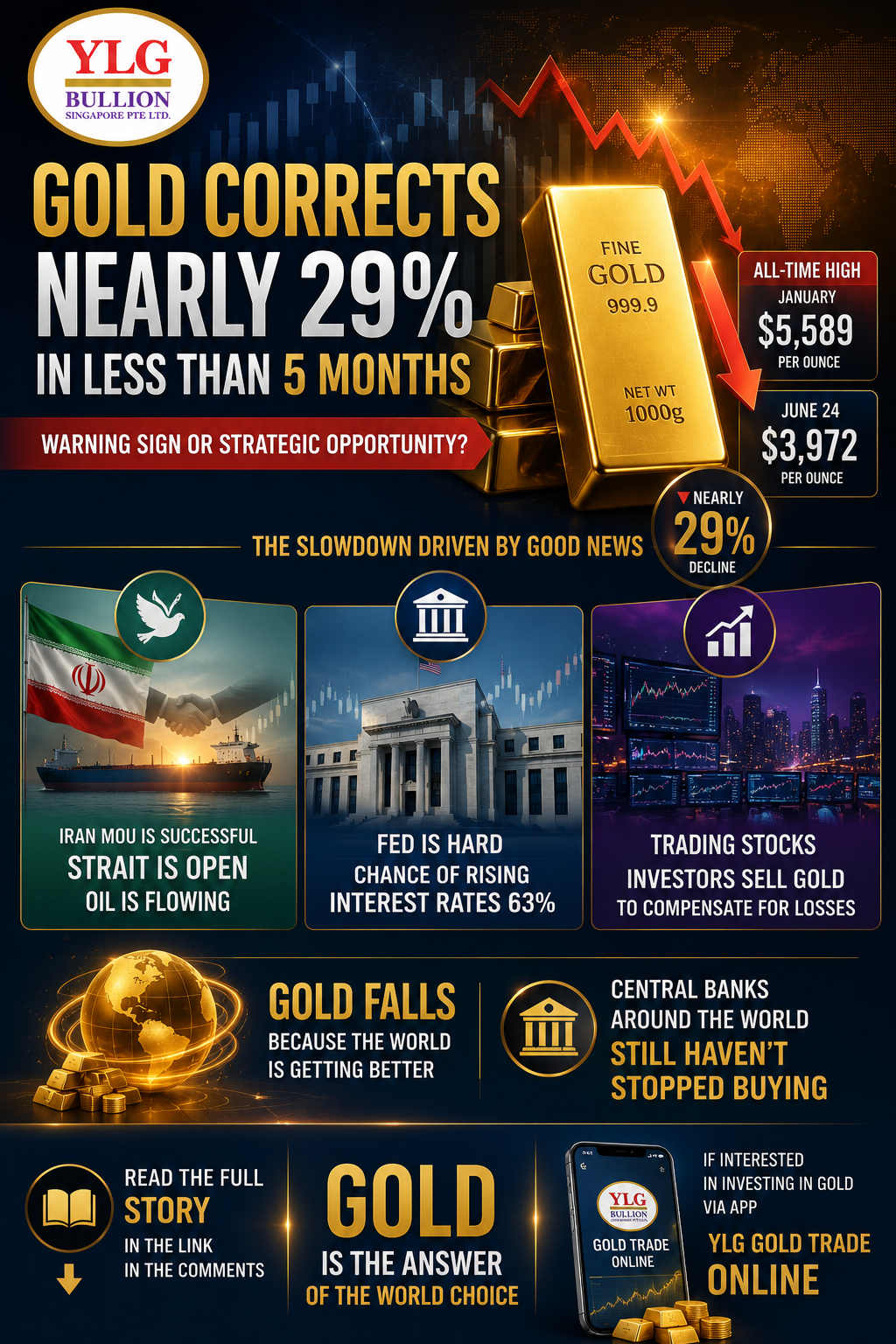
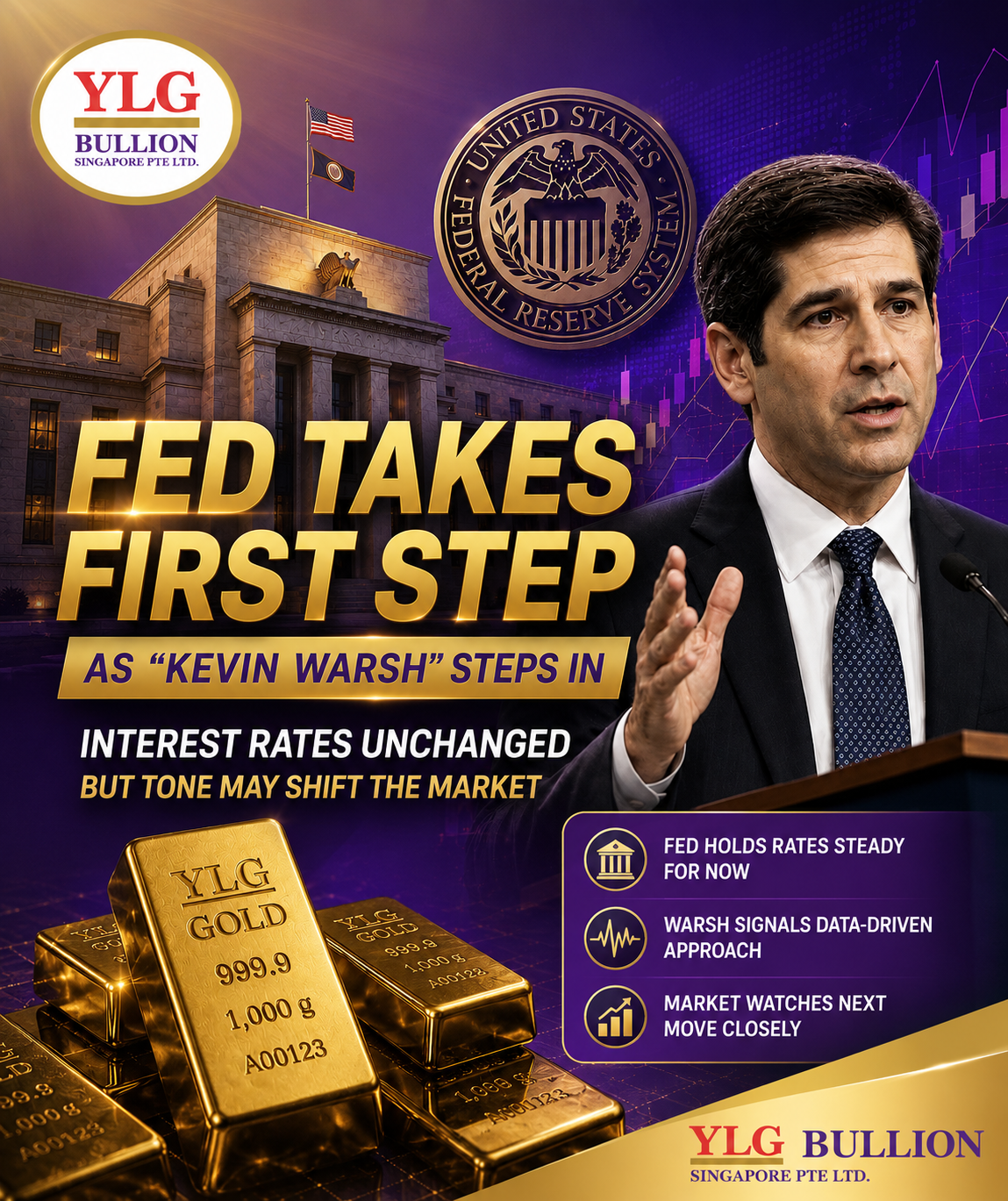
Interest rates—especially those set by the U.S. Federal Reserve (Fed)—play a major role in gold price movements.
- High interest rates: Investors tend to shift funds into yield-bearing assets → Gold prices may decline
- Low interest rates: Investors favor safe-haven assets → Gold prices tend to rise
This is because gold does not generate interest income.
2. Inflation
Inflation reduces the purchasing power of money over time, making gold an effective hedge.
- High inflation: Investors buy more gold → Prices tend to rise
- Low inflation: Demand for gold may weaken → Prices may remain stable or move within a limited range
3. U.S. Dollar (USD)
Gold is priced globally in U.S. dollars, making the currency a key influencing factor.
- Strong USD: Gold becomes more expensive for foreign investors → Demand may decrease → Prices may fall
- Weak USD: Gold becomes more accessible → Demand increases → Prices tend to rise
4. Bond Yields
Bond yields are another important comparison point for investors.
- High yields: Investors prefer income-generating assets → Money flows out of gold
- Low yields: Gold becomes more attractive → Money flows into gold
5. Economic and Political Uncertainty
During times of uncertainty, gold is viewed as a safe-haven asset.
Examples include:
- Wars
- Economic crises
- Political tensions
In such situations, investors tend to reduce risk exposure and increase gold holdings, pushing prices higher.
6. Global Gold Demand
Gold demand comes from multiple sectors:
- Investment
- Jewelry
- Industrial use
When global demand increases consistently, it supports higher gold prices.
7. Gold ETF Flows
Gold Exchange-Traded Funds (ETFs), such as SPDR, are major players in the market.
- ETF inflows (buying): Indicate rising demand → Gold prices tend to increase
- ETF outflows (selling): Reflect selling pressure → Gold prices may decline
Conclusion
Gold prices do not fluctuate randomly—they are driven by global economic forces.
Understanding these key factors allows investors to:
- Analyze gold price trends more effectively
- Plan investment strategies with greater accuracy
- Reduce risks in decision-making
Staying informed about these economic drivers is essential for anyone looking to navigate the gold market with confidence.
.png?_t=1777955989)