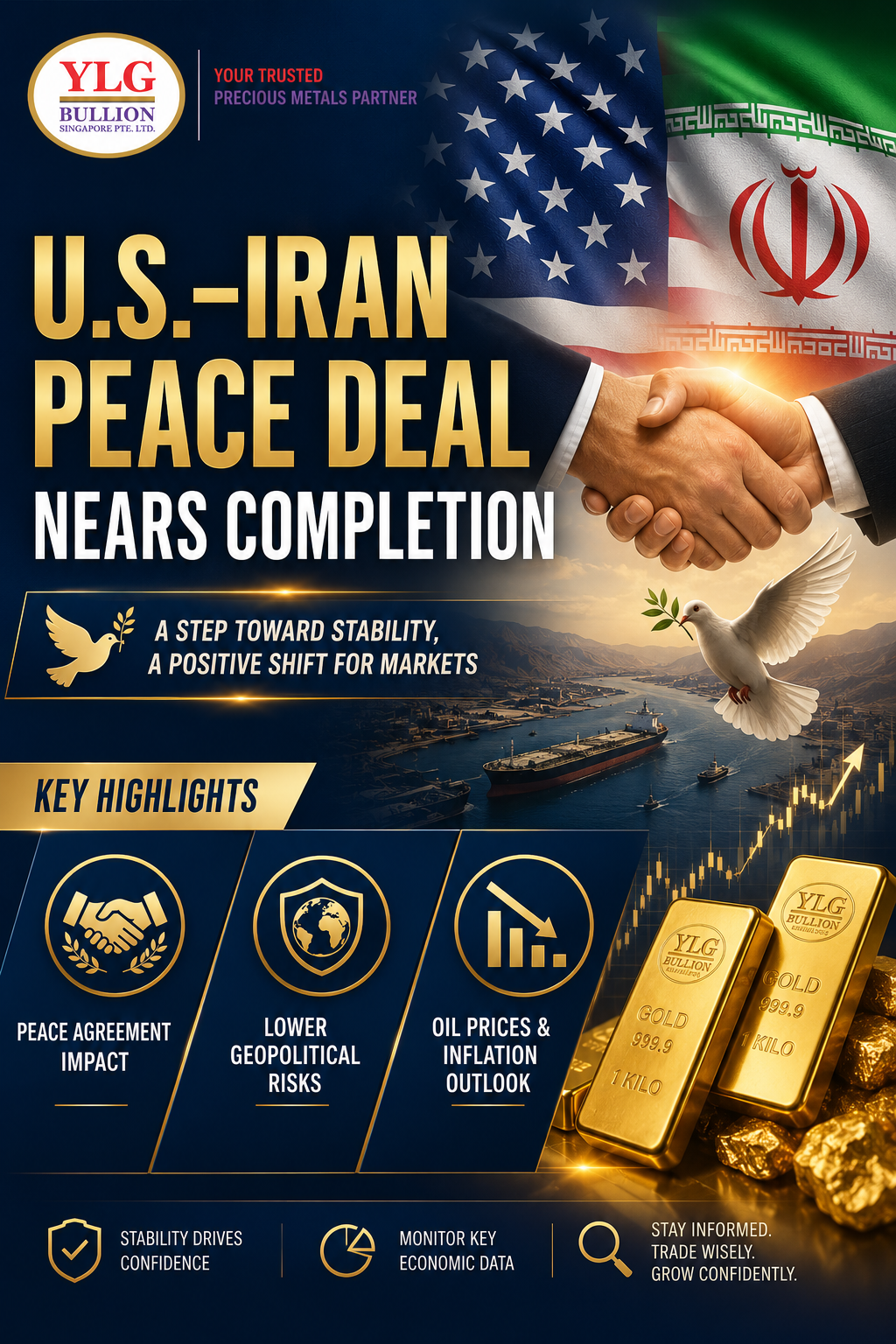
Hormuz Crisis Fuels Inflation Concerns While Gold Faces Short-Term Pressure
Hormuz Crisis Fuels Inflation Concerns While Gold Faces Short-Term Pressure
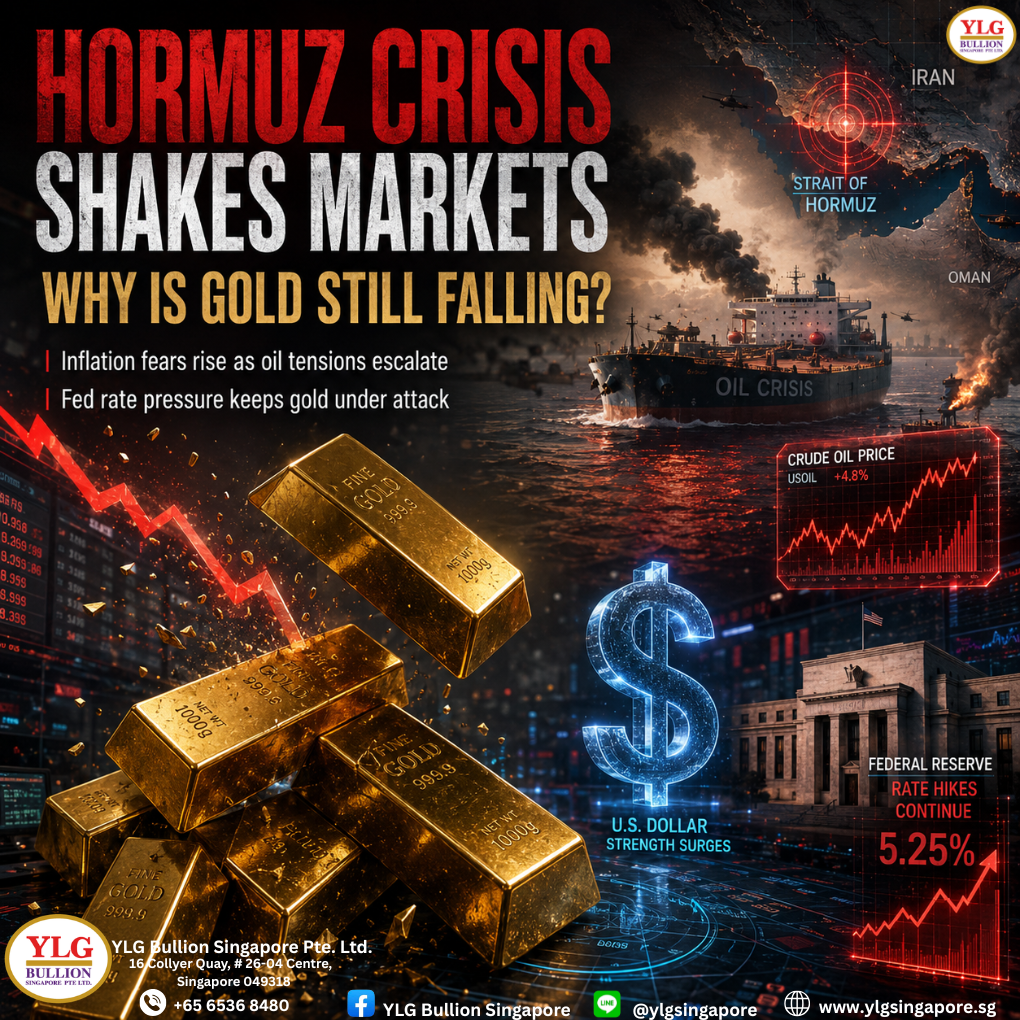
The ongoing geopolitical tensions surrounding the Strait of Hormuz are once again drawing the attention of global financial markets. As one of the world’s most important oil transportation routes, any prolonged disruption in the region has the potential to trigger significant consequences for inflation, monetary policy expectations, and safe-haven assets.
Recent developments suggest that the crisis may become more prolonged than initially expected. This has increased investor concerns over possible supply disruptions in global energy markets, leading to renewed upward pressure on crude oil prices.
Historically, rising geopolitical risks and inflation concerns have often supported gold prices. However, current market behavior reveals a more complex dynamic.
Why Is Gold Declining Despite Rising Global Risks?
Although gold is traditionally viewed as a safe-haven asset during periods of uncertainty, several short-term macroeconomic factors are currently limiting upside momentum.
1. Oil Supply Risks Could Reignite Inflation
The Strait of Hormuz remains a critical chokepoint for global energy transportation. Escalating tensions in the region raise concerns that oil prices could climb sharply if supply disruptions occur.
Higher energy prices may contribute to another wave of inflationary pressure across major economies, particularly in the United States and Europe.
2. Markets Expect “Higher Rates for Longer”
The possibility of renewed inflation has shifted market expectations regarding Federal Reserve policy.
Investors increasingly believe the Fed may delay potential interest rate cuts or maintain elevated rates for a longer period than previously anticipated. This outlook has strengthened both the U.S. dollar and Treasury yields.
As a result, gold prices have come under pressure because non-yielding assets typically become less attractive in a high-interest-rate environment.
3. Short-Term Pressure Versus Long-Term Safe-Haven Demand
In the near term, traders are prioritizing dollar strength and bond market performance over traditional geopolitical hedging strategies.
While gold continues to maintain its role as a long-term store of value and portfolio protection asset, short-term price corrections may persist until there is greater clarity regarding inflation trends and future monetary policy decisions.
Market Outlook
The direction of gold prices in the coming weeks will likely depend on two major factors:
Whether tensions in the Strait of Hormuz continue to escalate
How the Federal Reserve responds to inflation risks linked to rising oil prices
Investors worldwide are closely monitoring developments as financial markets remain highly sensitive to geopolitical uncertainty, energy price volatility, and central bank policy signals.
For gold investors, the current environment highlights the importance of balancing short-term market volatility with long-term strategic positioning in precious metals.