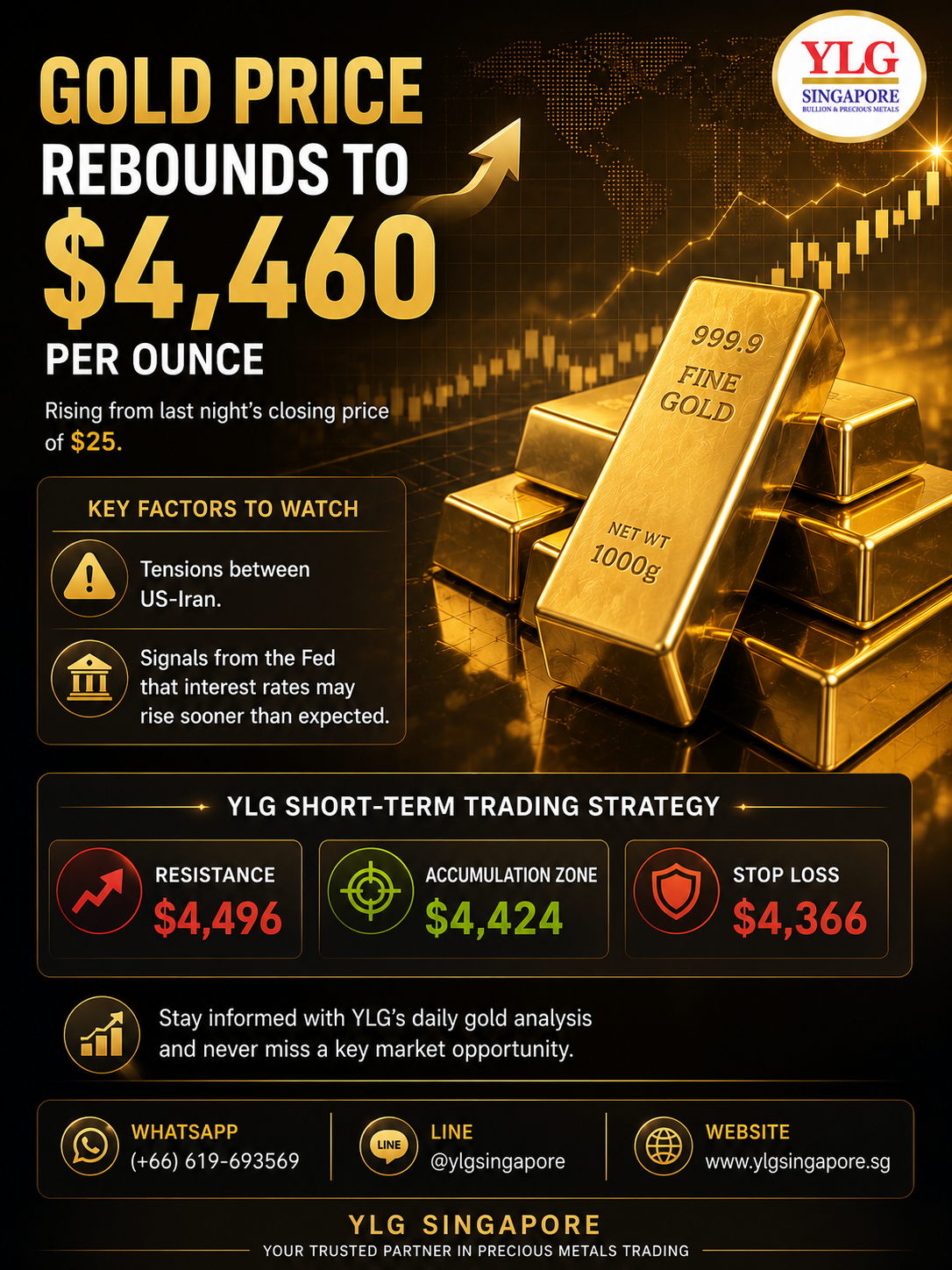


U.S.–Iran Peace Deal Nears Completion: Is Gold Entering a Trend Reversal
Gold prices staged a sharp rebound during Asian trading hours today, surging by more than USD 100 per ounce after reports emerged that the United States and Iran have reached a framework agreement aimed at de-escalating tensions in the Middle East. Both parties are reportedly preparing for a formal signing ceremony later this week.
The development has significantly improved market sentiment by reducing geopolitical uncertainty, which has been one of the key drivers of volatility across global financial and energy markets in recent months.
How Could the Peace Agreement Impact Gold?
Officials from both the United States and Iran confirmed on Sunday that they have agreed on a preliminary framework designed to ease regional tensions. The proposal reportedly includes the partial removal of certain restrictions and the reopening of the Strait of Hormuz, one of the world's most strategically important oil transportation routes.
Adding further credibility to the reports, Pakistan's Prime Minister, Shehbaz Sharif, indicated that the official signing ceremony could take place on June 19 in Switzerland.
The prospect of improved stability in the region has pressured crude oil prices lower, as market participants anticipate a reduction in supply disruption risks. Consequently, inflation expectations may also ease, potentially influencing future monetary policy decisions.
Why Is Gold Rising Despite Lower Geopolitical Risks?
Traditionally, gold benefits from heightened geopolitical uncertainty and safe-haven demand. However, the current rally suggests that investors are placing greater emphasis on monetary policy expectations rather than geopolitical developments alone.
As concerns over oil-driven inflation diminish, market participants increasingly expect that the U.S. Federal Reserve may face less pressure to maintain restrictive interest rates for an extended period. This has contributed to a softer U.S. dollar environment, providing additional support for gold prices.
Furthermore, gold had previously experienced a substantial correction, pushing technical indicators into oversold territory. The recent rebound has therefore been reinforced by strong technical buying interest and dip-buying activity from investors seeking value at lower price levels.
Trend Reversal or Technical Rebound?
While today's recovery is notable, it remains premature to conclude that gold has fully reversed its broader trend. From a technical perspective, market participants should closely monitor key resistance levels in the coming sessions.
A decisive break and sustained move above major resistance zones could signal that the recent correction phase has ended and that a medium-term recovery trend is developing.
Conversely, failure to overcome these resistance levels may indicate that the current advance is merely a technical rebound within the existing market structure, potentially exposing prices to renewed selling pressure.
Key Factors to Watch
Although progress toward a U.S.–Iran peace agreement has improved overall market sentiment, investors should continue to monitor upcoming U.S. economic data, particularly inflation figures and Federal Reserve commentary regarding future interest rate policy.
These factors are likely to determine whether the latest rally in gold evolves into a sustainable trend reversal or remains a short-term recovery within a broader consolidation phase.
For now, the critical question facing global investors is:
"With the U.S. and Iran moving closer to a peace agreement, is gold beginning a genuine trend reversal, or is this simply a temporary rebound?"
The answer may become considerably clearer over the next several trading sessions as both geopolitical and monetary policy developments unfold.
Related Investment Knowledge
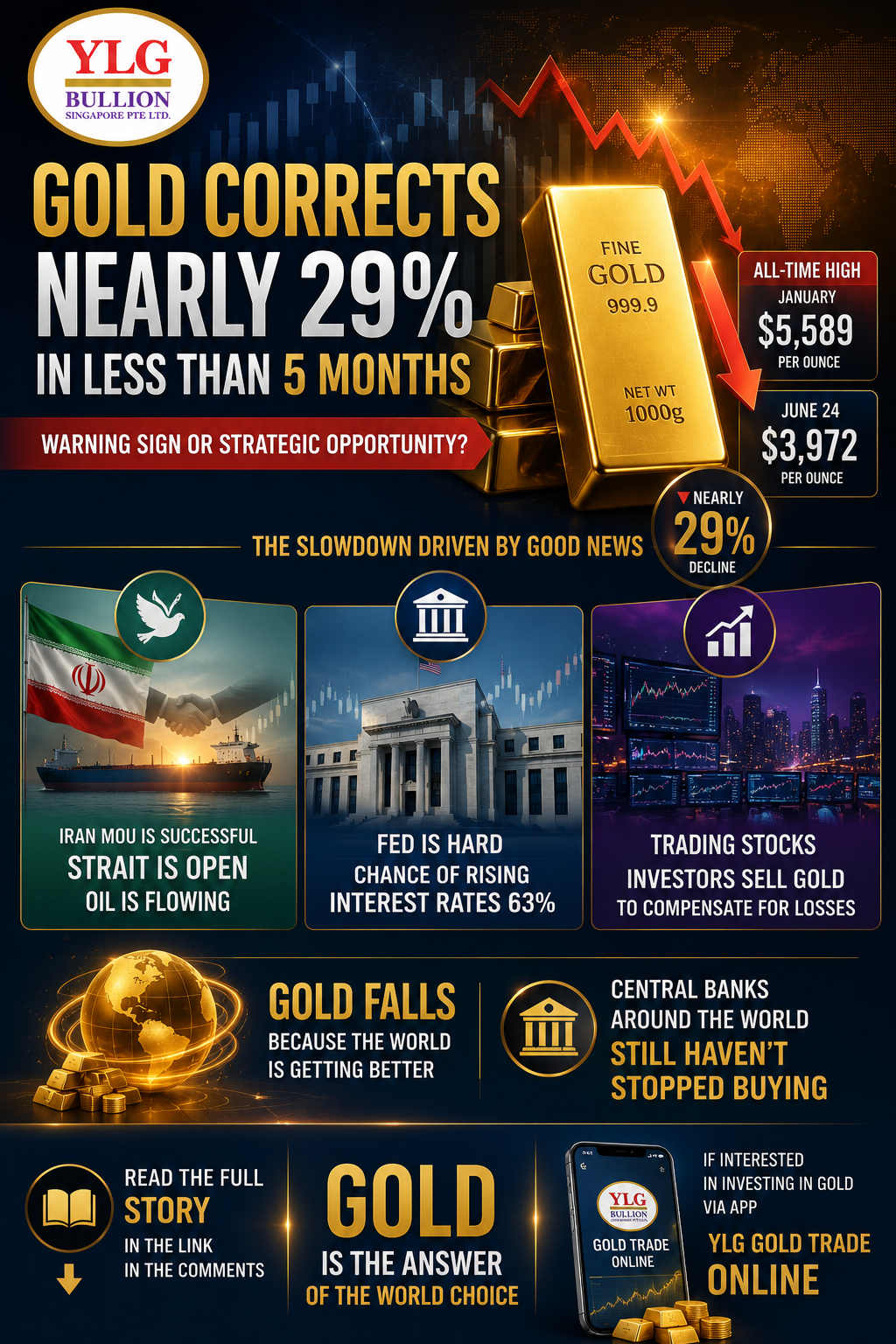
Gold Drops Below US$4,000 for the First Time in 2026: Correction or Long-Term Opportunity
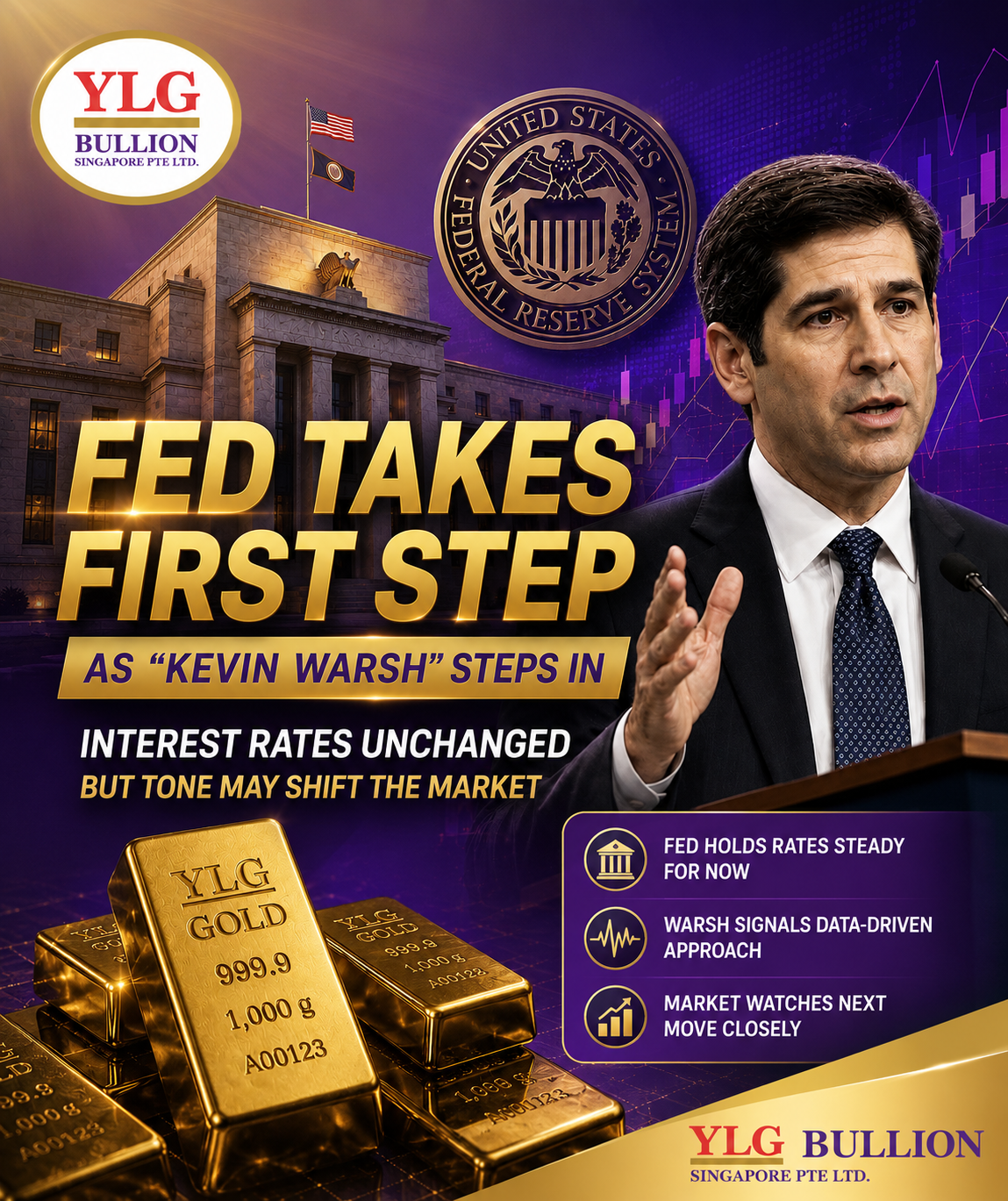
All Eyes on the First FOMC Meeting Under Kevin Warsh