
Trump–Xi Beijing Summit Could Reshape Global Markets and Geopolitics in 2026
Trump–Xi Beijing Summit Could Reshape Global Markets and Geopolitics in 2026
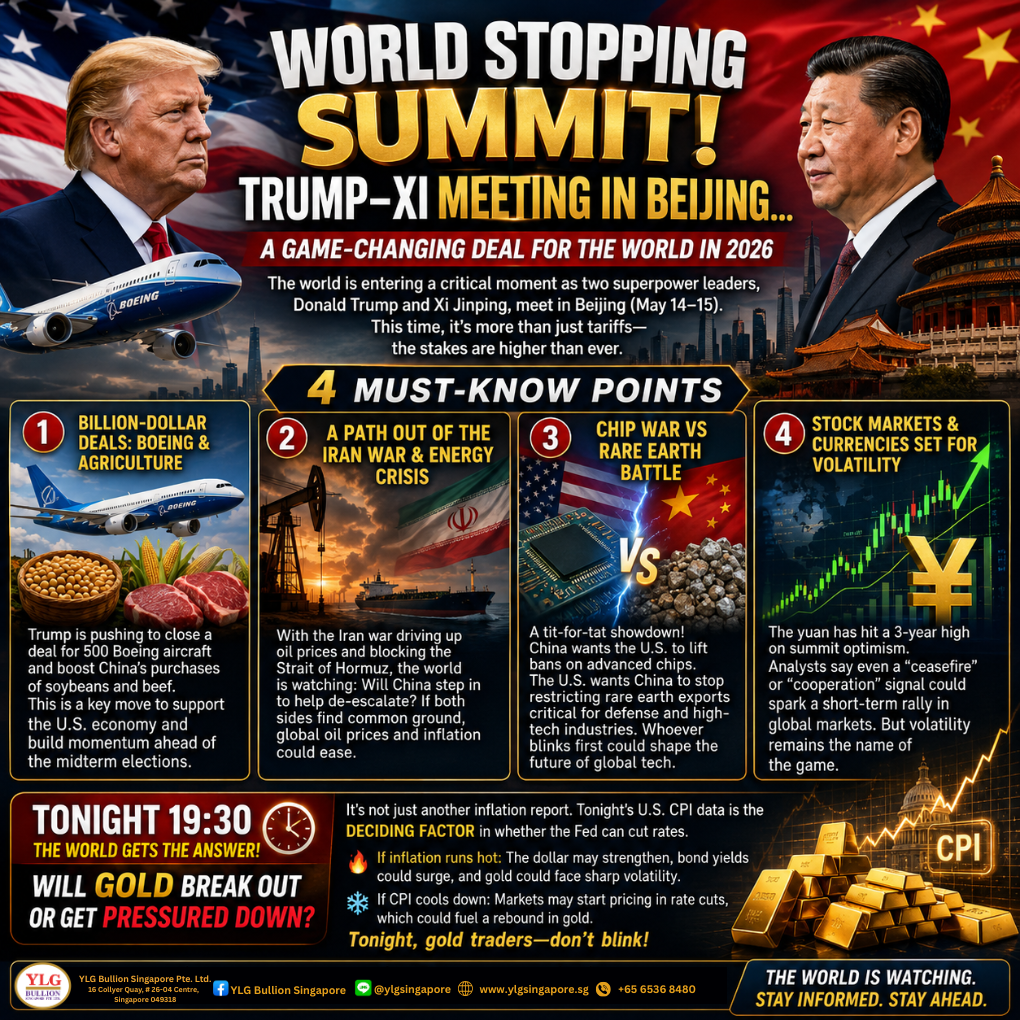
The world is closely watching as former U.S. President Donald Trump and Chinese President Xi Jinping prepare for a high-stakes meeting in Beijing on May 14–15. Analysts believe the summit could become one of the most influential geopolitical events of 2026, with consequences reaching far beyond trade tariffs.
At the center of the discussions are major economic agreements, energy security, technology competition, and global financial stability.
Boeing and Agricultural Mega Deals Back on the Table
One of the key objectives for Trump is reportedly securing a massive commercial agreement involving up to 500 Boeing aircraft sales to China. In addition, Washington is pushing for increased Chinese imports of U.S. agricultural products, particularly soybeans and beef.
Such agreements could provide critical support for the American economy while also strengthening political momentum ahead of the U.S. midterm elections.
Iran Conflict and Global Energy Concerns
The summit also takes place against the backdrop of rising tensions in Iran and ongoing disruptions around the Strait of Hormuz, a vital global oil shipping route.
Higher oil prices and supply chain concerns have increased pressure on global inflation. Investors are now watching closely to see whether China could play a diplomatic role in easing tensions and helping stabilize energy markets.
If both sides can reach some level of cooperation, analysts believe oil prices and inflation fears could temporarily ease worldwide.
The Global Tech Battle: Chips vs Rare Earth Minerals
Technology remains another major battlefield between the two superpowers.
China is expected to pressure the United States to relax restrictions on advanced semiconductor exports, while Washington continues demanding that Beijing reduce export limitations on rare earth minerals — critical materials used in military systems, electronics, batteries, and high-tech manufacturing.
This ongoing “chips versus rare earths” confrontation has become one of the most important strategic conflicts shaping the future of global technology industries.
Markets Brace for Volatility
Financial markets are already reacting ahead of the summit. The Chinese yuan recently strengthened to its highest level in three years, fueled by optimism surrounding possible diplomatic progress.
Although analysts do not expect a sweeping structural agreement, even signs of a temporary “ceasefire” or improved cooperation between the two nations could trigger a short-term rally across global equity markets.
However, volatility is expected to remain high.
Tonight’s U.S. CPI Report Could Decide Gold’s Next Move
Beyond the geopolitical summit, investors are also focused on tonight’s U.S. Consumer Price Index (CPI) report scheduled for 19:30.
The inflation data could become the deciding factor for the Federal Reserve’s next interest rate decision.
If inflation remains stubbornly high, the U.S. dollar and Treasury yields could surge, putting additional pressure on gold prices and increasing market volatility.
On the other hand, if inflation begins to cool, investors may once again bet on future Federal Reserve rate cuts — a scenario that could support a rebound in gold.
For gold traders and global investors alike, tonight may become one of the most important market moments of the month.
Related Investment Knowledge
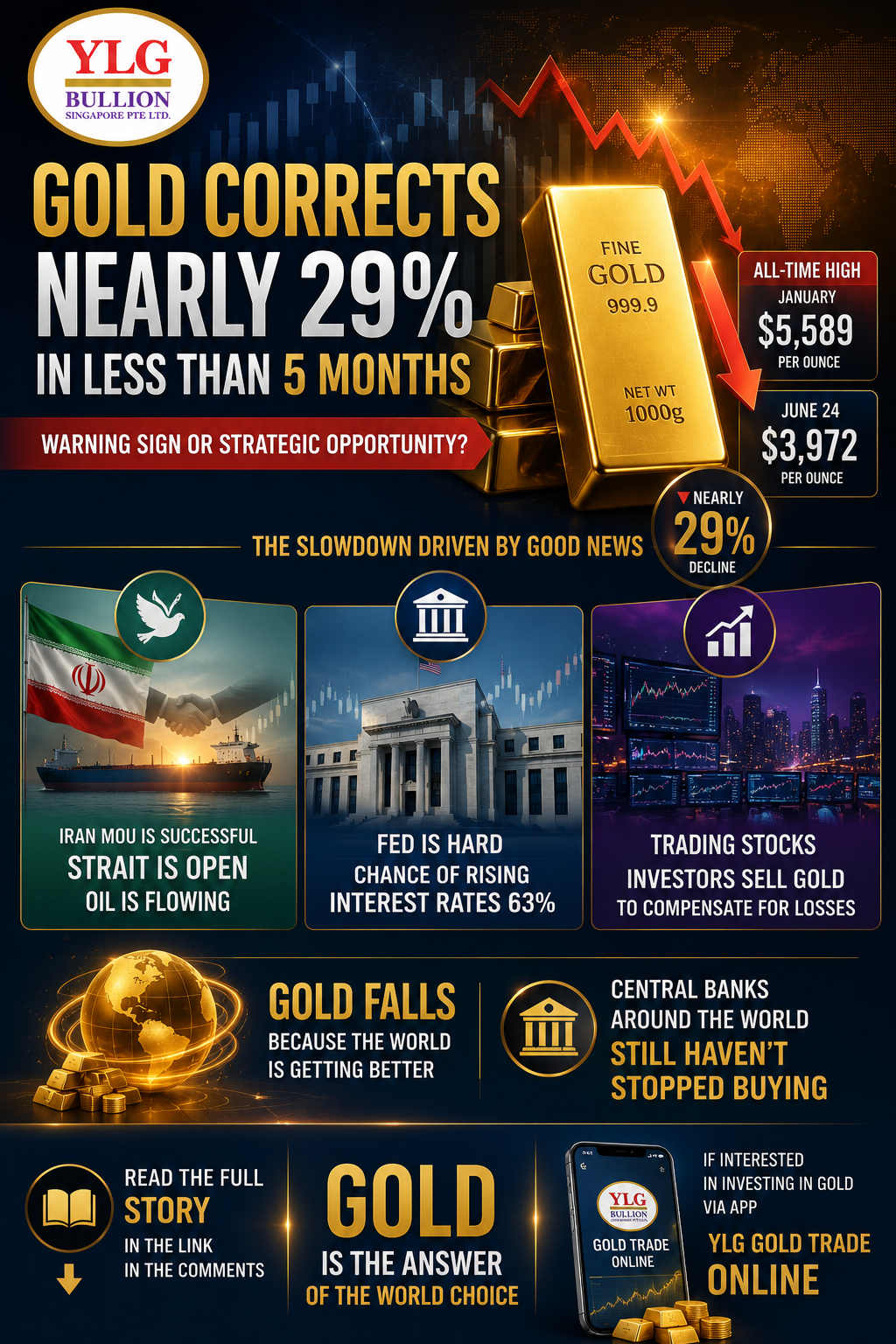
Gold Drops Below US$4,000 for the First Time in 2026: Correction or Long-Term Opportunity
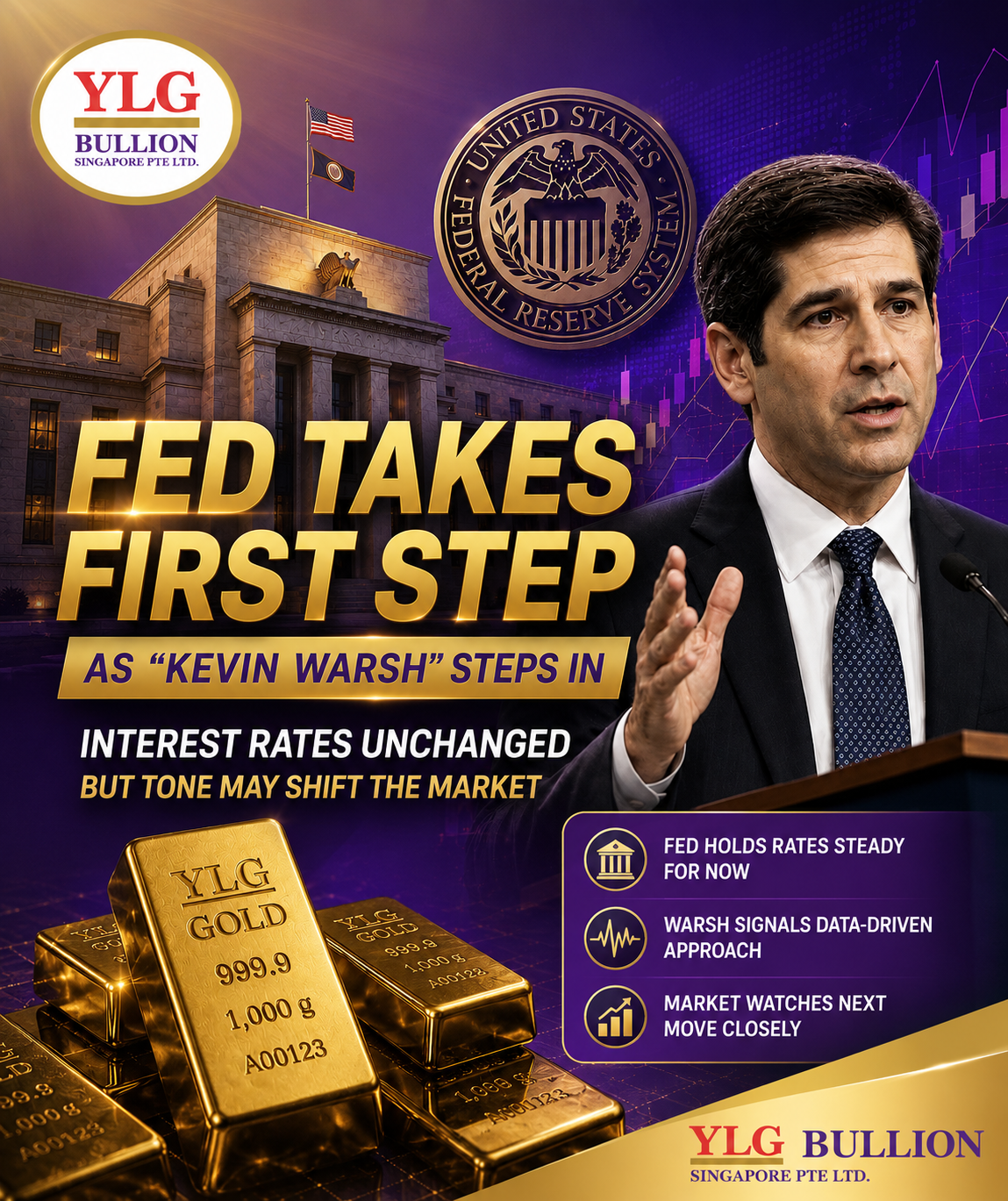
All Eyes on the First FOMC Meeting Under Kevin Warsh