Trump Halts Iran Strike as Oil Prices Fall 2.7%, But Global Risks Remain High
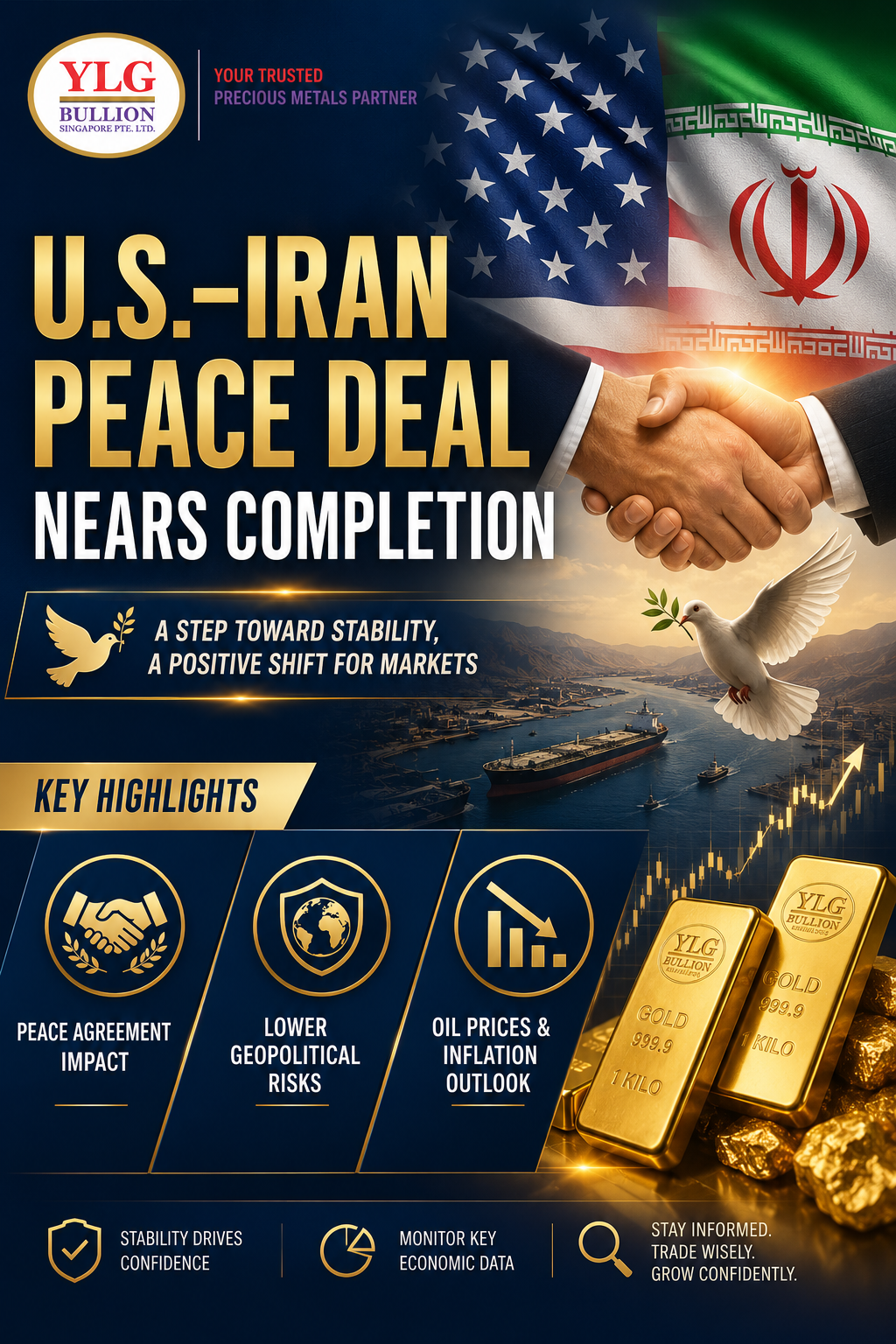
Global financial markets experienced temporary relief after reports emerged that Donald Trump ordered a halt to planned military strikes on Iran, following urgent diplomatic appeals from Qatar, Saudi Arabia, and the United Arab Emirates.
According to regional sources, serious negotiations are now taking place through Pakistani mediation channels, raising hopes that a wider military conflict in the Middle East could still be avoided.
The immediate market reaction was significant.
Brent crude oil prices dropped approximately 2.7%, falling from around $112 per barrel to near $109, as traders reduced fears of an imminent supply shock. Equity markets stabilized, while investors cautiously shifted away from panic-driven positions.
However, the situation remains extremely fragile.
Trump reportedly emphasized that the U.S. military remains fully prepared to launch a large-scale attack at any moment should negotiations fail to produce what Washington considers an acceptable agreement. One of the central conditions of any potential deal is believed to be a strict guarantee preventing Iran from obtaining nuclear weapons.
Despite the temporary easing in tensions, one major risk continues to threaten global energy markets: the Strait of Hormuz remains closed.
The International Energy Agency (IEA) has warned that global oil inventories are now being depleted at one of the fastest rates ever recorded. Since a substantial portion of the world’s oil supply normally passes through the Strait of Hormuz, any prolonged disruption could rapidly tighten global supply conditions.
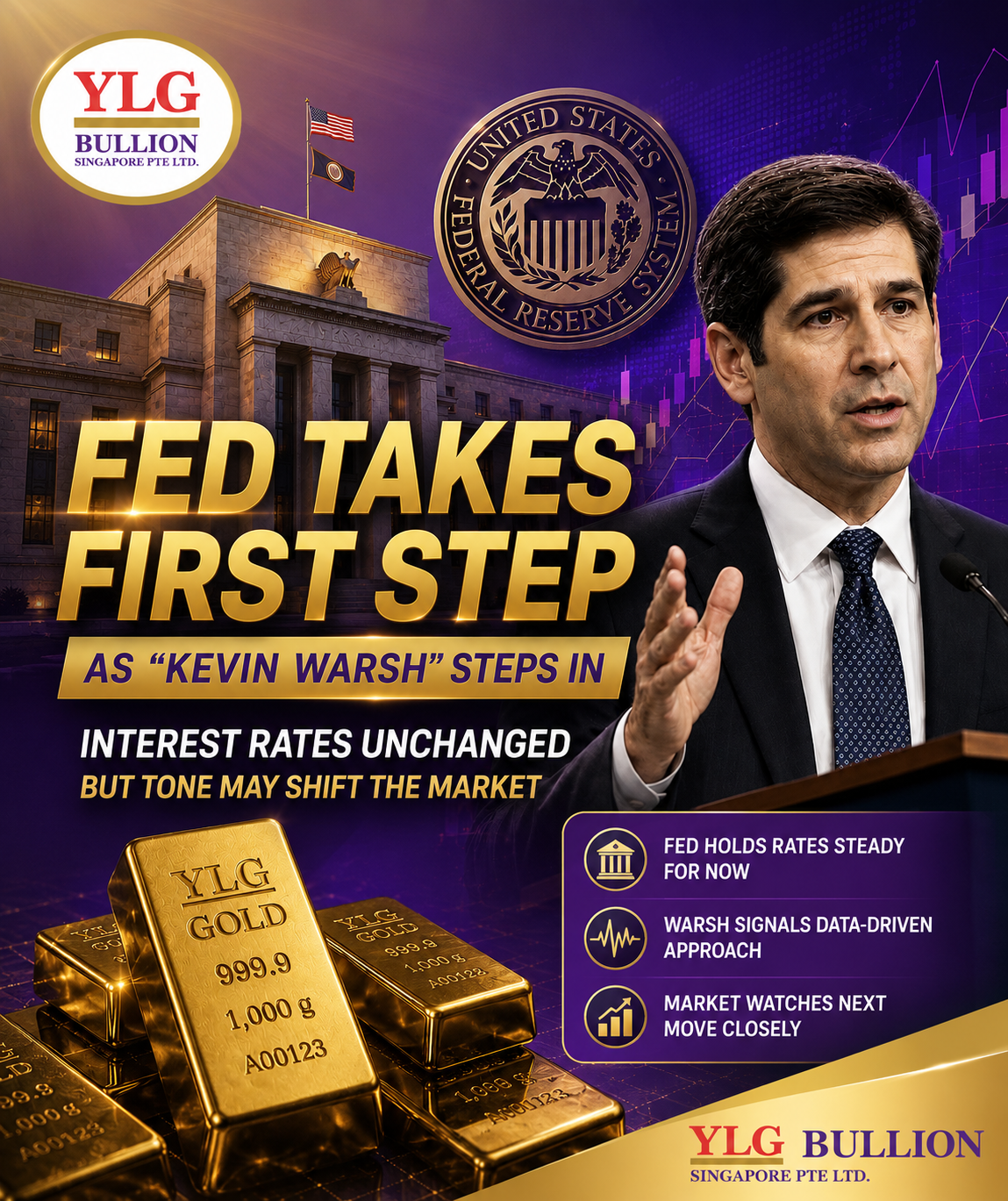
Analysts warn that if negotiations collapse, oil prices could resume their rally aggressively, reigniting inflationary pressures across major economies. This could also complicate monetary policy decisions for central banks, particularly the U.S. Federal Reserve, which may be forced to delay interest rate cuts if energy-driven inflation accelerates again.
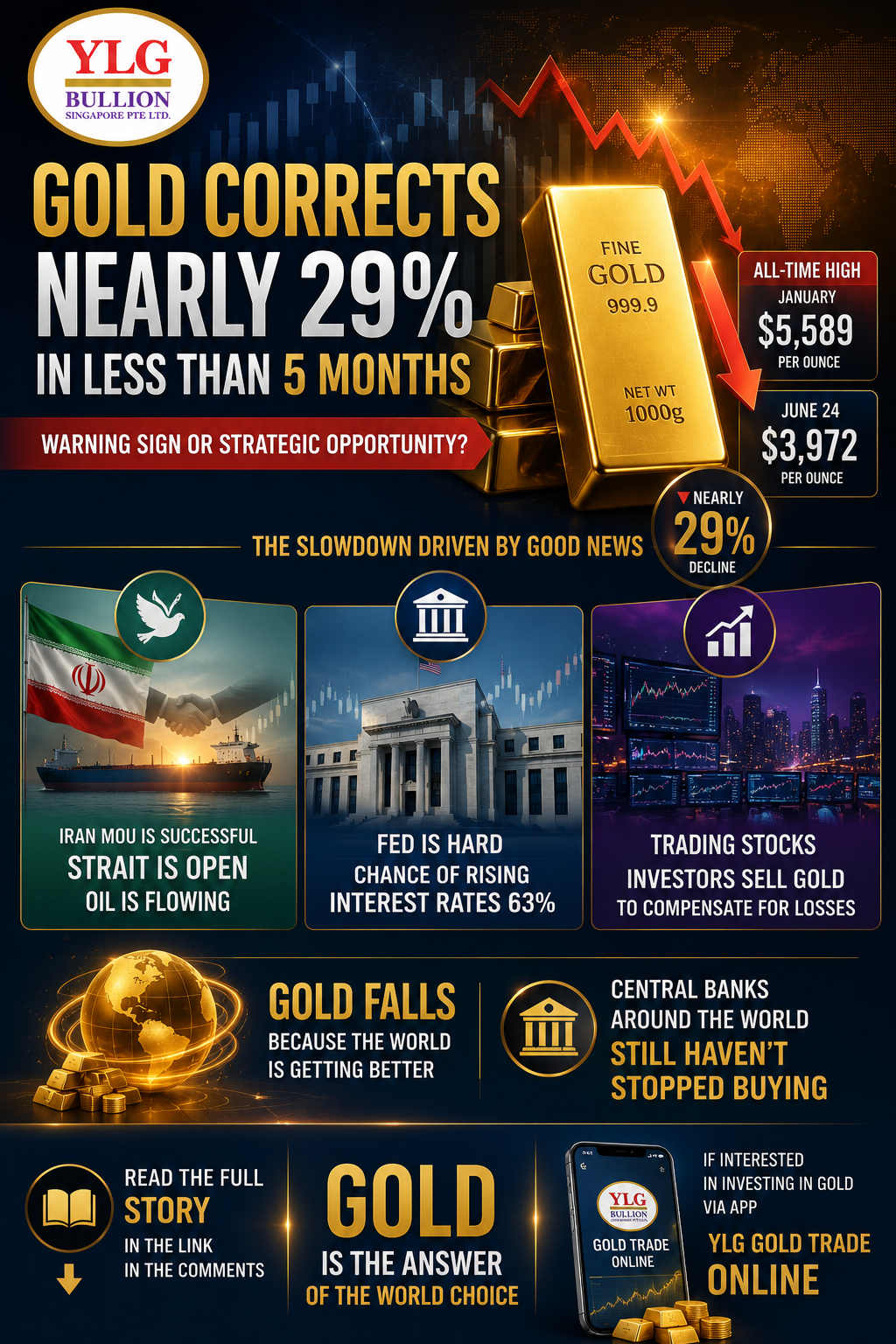
Meanwhile, gold prices continue to fluctuate sharply as investors wait for clearer signals. While easing geopolitical tensions temporarily reduced safe-haven demand, uncertainty surrounding Middle East stability, inflation risks, and energy supply disruptions continues to support volatility in precious metals markets.
For now, markets may be breathing easier — but the world remains only one failed negotiation away from another major global shock.
.png?_t=1779174622)